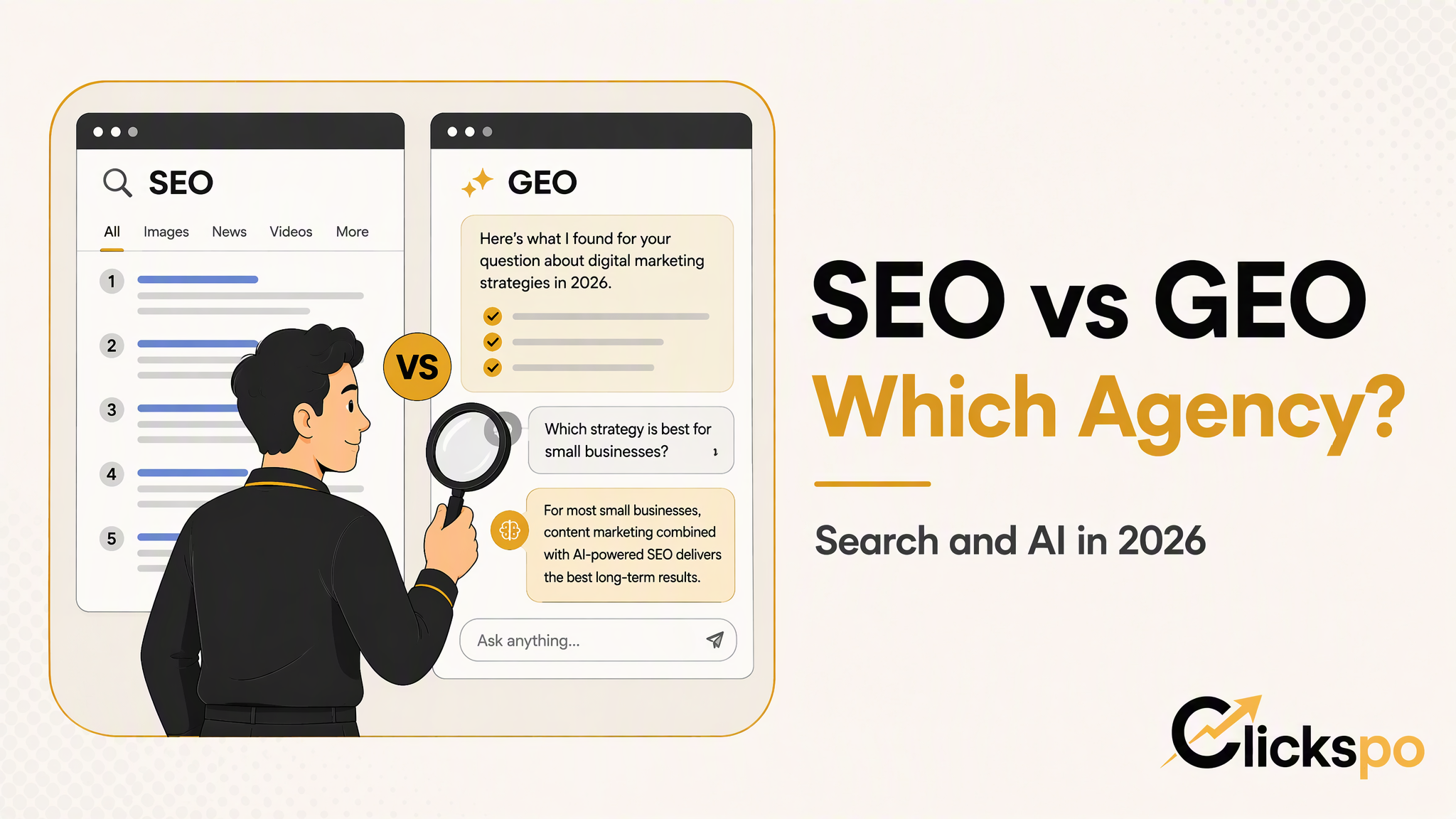

Search is no longer a single channel. For the past decade, ranking on Google meant playing by a well understood set of rules: technical health, quality content, backlinks, and relevance signals. But in 2026, a growing share of search traffic is being intercepted by AI platforms like ChatGPT, Perplexity, and Google’s own AI Overviews before a user ever clicks on a result. This has split the SEO conversation in two. AI SEO and traditional Google SEO share roots but they require meaningfully different approaches, and most businesses are not yet adapting fast enough.
What We Mean by Google SEO
Google SEO, in its traditional form, is the practice of optimising a website so it ranks prominently in Google’s organic search results. The goal is to earn clicks from people who search for terms related to your business.
The core pillars have remained consistent for years:
- Technical foundations — site speed, crawlability, mobile usability, structured data
- On-page optimisation — keyword placement, title tags, meta descriptions, content depth
- Authority building — earning backlinks from relevant and trusted domains
- Content strategy — publishing material that matches what searchers actually want to find
Google uses hundreds of signals to decide which pages rank. The algorithm evolves constantly, but the fundamental premise has not changed: Google tries to surface the most relevant and trustworthy result for a given query.
For businesses in Hong Kong and across Asia Pacific, Google SEO remains one of the highest ROI digital investments available. Our SEO vs Google Ads comparison breaks down where each channel wins depending on your business model and timeline.
What Is AI SEO and How Does It Work
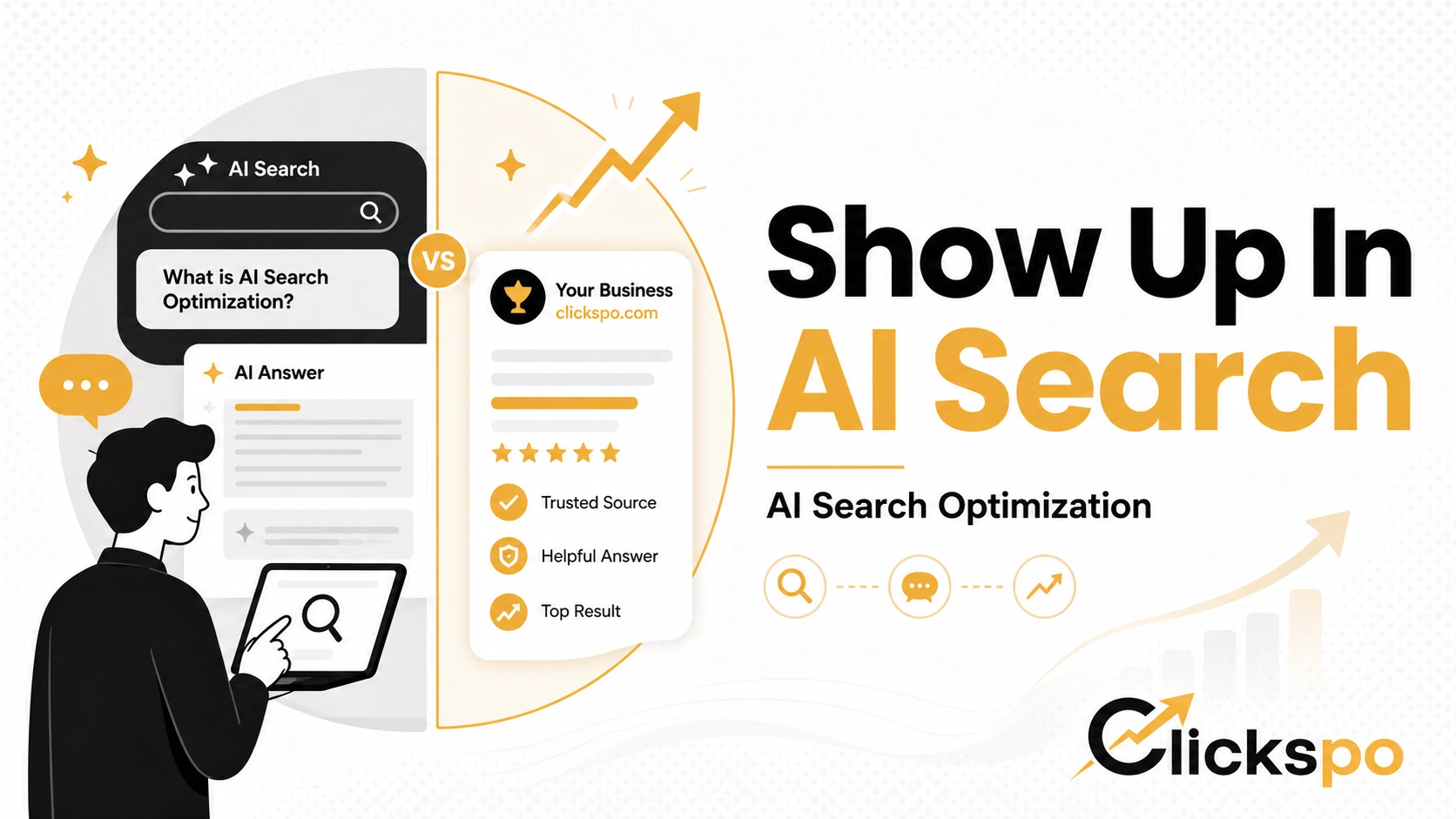
AI SEO refers to optimising your content and brand presence so that AI powered answer engines cite, reference, or recommend you in their responses. This covers platforms like:
- ChatGPT (with Browse mode enabled)
- Perplexity AI
- Google AI Overviews (now appearing for a wide range of queries)
- Microsoft Copilot / Bing AI
- Claude and other LLM powered interfaces
When a user asks an AI assistant a question, the AI generates an answer by drawing on training data, indexed web content, and real time retrieval. The businesses that appear in those answers are not necessarily the ones ranking number one on Google. They tend to be the ones that are consistently cited across authoritative sources, written about in a specific way, and structured to be “parseable” by large language models.
This is a fundamentally different mechanism from traditional SEO. For a deeper overview of how this channel works, read our guide on what AI search optimisation actually is.
Head to Head: AI SEO vs Google SEO
The easiest way to understand the practical difference is to compare them directly across the factors that matter to a business.
| Factor | Google SEO | AI SEO |
| Primary goal | Rank in organic search results | Get cited or recommended by AI answers |
| Traffic type | Click based, direct website visits | Brand impressions, indirect trust building |
| Ranking signals | Backlinks, technical health, E-E-A-T | Citation frequency, entity authority, structured content |
| Content style | Keyword optimised, search intent matched | Conversational, factual, comprehensive |
| Measurement | Rankings, organic sessions, conversions | AI citation mentions, brand share of voice |
| Time to results | 3 to 6 months typically | Varies, often slower to attribute |
| Structured data | Helpful but optional | More critical for AI readability |
| Local relevance | Strong via Google Business Profile | Emerging, less defined |
The table above shows that while both disciplines care about quality content and authority, the inputs and outputs are quite different. Google SEO rewards pages. AI SEO increasingly rewards entities, meaning your brand as a whole, not just individual URLs.
Where They Actually Overlap
Despite the differences, AI SEO and Google SEO share a significant common foundation. Getting this right serves both channels simultaneously.
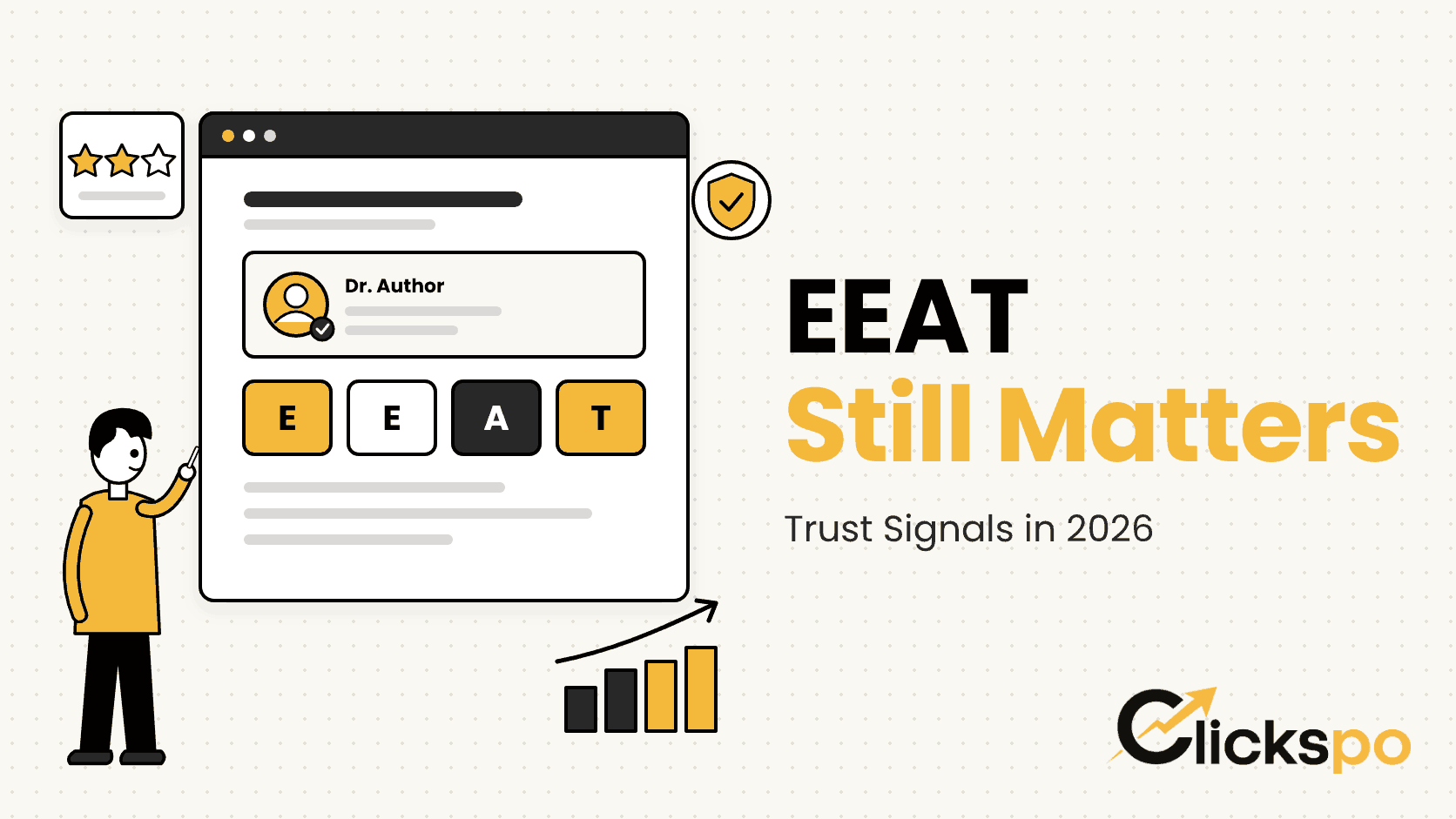
E-E-A-T Signals
Google’s framework of Experience, Expertise, Authoritativeness, and Trustworthiness has become more important in recent years. It turns out this same framework is essentially what AI systems are trying to replicate when deciding what to cite. Content that demonstrates real expertise, cites sources, and comes from a credible domain performs better in both environments.
Structured and Crawlable Content
AI systems, like Googlebot, need to parse your content efficiently. Clean HTML structure, proper heading hierarchy, schema markup, and clear factual statements all help. A page that is technically sound for Google is also more readable for an AI.
Topical Authority
Google rewards sites that cover a topic deeply and consistently. So do AI models. If your site has a strong cluster of content around a particular subject, you are more likely to be seen as an authoritative source in both Google’s index and in the data LLMs draw on.
Our keyword research service is built to identify topical clusters that build authority across both traditional search and AI visibility.
The Key Differences That Actually Change Your Strategy
This is where most agencies get it wrong. They treat AI SEO as a minor add-on to existing work. In reality, several strategic shifts are required.
From Pages to Entities
Traditional SEO is largely about pages. You pick a keyword, optimise a page, and build links to it. AI SEO is about your brand as an entity. AI systems look at how often your brand name appears in trusted contexts, whether it is consistently described in the same way, and whether authoritative third parties reference you. This means PR, digital authority building, and brand consistency matter far more than in traditional SEO.
From Click Optimisation to Answer Optimisation
In Google SEO, you write content that earns a click. In AI SEO, you write content that gets quoted or summarised. This requires a different approach:
- Lead with direct, factual statements rather than burying the answer
- Use clear definitions at the start of a topic
- Include data, statistics, and attributable claims
- Write in a way where any paragraph could stand alone as a credible excerpt
From Backlinks to Citations
Backlinks remain essential for Google SEO. For AI SEO, the equivalent is being mentioned and cited by other credible sources, including news sites, industry publications, forums like Reddit, and review platforms. The more places your brand name appears in a trustworthy context, the more likely an AI is to associate your brand with authority on a topic.
Should You Prioritise One Over the Other
The short answer is no. For most businesses, Google SEO still drives the majority of measurable organic search traffic and should remain the foundation of any digital strategy. Abandoning or deprioritising it in favour of AI optimisation would be premature.
That said, ignoring AI visibility entirely is a risk that compounds over time. Users, particularly younger audiences and professionals, are increasingly using AI tools as their first stop for research and product discovery. If your brand is absent from those conversations, a competitor who invested earlier will take that ground.
The most effective approach in 2026 is an integrated one:
- Build a strong technical and content foundation that serves both channels
- Invest in topical authority through a structured SEO strategy that covers your core subjects deeply
- Begin tracking AI citation visibility alongside traditional rank tracking
- Treat brand building and third party mentions as an SEO investment, not just a PR exercise
For businesses exploring where to start, our SEO vs PPC ROI calculator can help you understand where to allocate budget before expanding into AI optimisation efforts.
What This Means for Different Business Types
Not every business is equally affected by the rise of AI search. Here is a general guide to how urgency differs by sector.
| Business Type | Google SEO Priority | AI SEO Priority | Why |
| Local services (clinics, gyms, legal) | Very high | Medium | Local intent still drives Google searches heavily |
| E-commerce | High | Medium | Product queries still click through to pages |
| B2B and professional services | High | High | Decision makers use AI tools for research |
| SaaS and tech products | High | Very high | Tech audiences adopted AI search early |
| Financial and consulting | High | Very high | Trust and citation authority matter greatly |
Local businesses especially should ensure their Google SEO foundation is solid before aggressively pursuing AI visibility. Our industry specific pages, including SEO for law firms, SEO for dental clinics, and SEO for physio clinics, reflect how different industries require different prioritisation.
FAQs About AI SEO vs Google SEO
Does Google SEO still matter if AI is taking over search?
Yes, significantly. Google still processes billions of searches per day and remains the dominant source of organic traffic for most websites. AI search is growing but it has not displaced traditional search. Both channels coexist and serve different user behaviours.
Will my Google SEO rankings help me appear in AI search results?
Partially. Strong Google rankings signal authority, and some AI systems use Google indexed content as a retrieval source. However, appearing in AI answers depends on additional factors, including how often your brand is mentioned across the web, the clarity of your content, and whether your site is structured in a way that AI systems can parse easily.
How do I measure AI SEO performance?
AI citation tracking is still an emerging discipline. Tools like Profound, Brandwatch, and some specialist AI visibility platforms are beginning to offer share of voice metrics for AI mentions. You can also manually query relevant prompts in ChatGPT, Perplexity, and Google AI Overviews to see whether your brand appears.
Do I need a separate content strategy for AI SEO?
Not entirely separate, but you will likely need to adjust your content approach. Content written purely for keyword placement often lacks the directness and depth that AI systems prefer. Shifting toward comprehensive, well sourced, question answering content serves both channels well.
Is AI SEO relevant for small businesses in Hong Kong?
It is worth being aware of, but it should not be your primary focus if you are still building your Google SEO foundation. For most small businesses, the higher priority is capturing local and intent driven search traffic on Google first. Once that is working, AI visibility becomes a natural extension of ongoing authority building.